What happens if a gas line breaks?
A broken gas line can release flammable gas, creating a serious risk of fire, explosion, or oxygen displacement. Everyone should leave the area immediately without operating switches, phones, vehicles, or anything else that could produce a spark. Once safely away, contact 911 and the gas utility for emergency assistance.
Why Is a Broken Gas Line So Dangerous?
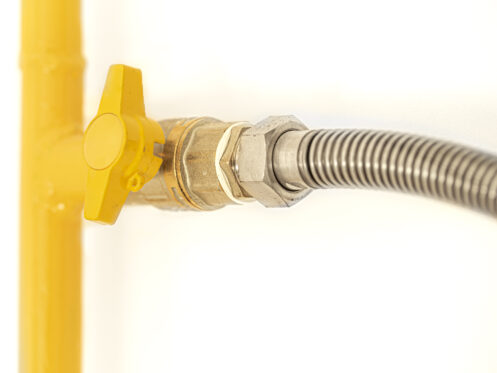
A damaged gas line can allow natural gas or another fuel gas to escape into a home, business, yard, or surrounding area. Because the released gas is flammable, even a small spark or open flame may ignite it. Potential ignition sources include light switches, electrical devices, appliances, vehicles, matches, and lighters.
Escaping gas can also accumulate in enclosed spaces. As its concentration increases, it may displace breathable air and create a risk of oxygen deprivation. Anyone who experiences dizziness, nausea, weakness, confusion, headache, or difficulty breathing should move to fresh air immediately and seek emergency medical assistance.
The severity of a gas leak can vary, but people should not try to determine whether the situation is minor before leaving. A suspected broken gas line should always be treated as an emergency until qualified responders confirm that the area is safe.
What Should You Do If You Suspect a Gas Line Has Broken?
Leave the affected building or area immediately. Alert other occupants as you exit, but do not spend time searching for the source of the leak or collecting belongings. Help children and anyone who needs assistance move to a safe location away from the property.
While evacuating, avoid actions that could create heat, a flame, or an electrical spark. Do not:
-
Turn lights or electrical equipment on or off
-
Use a phone while inside or near the suspected leak
-
Start a vehicle parked close to the property
-
Light a match, candle, cigarette, or other flame
-
Operate appliances, thermostats, or garage doors
-
Attempt to repair, tighten, or reconnect the damaged line
Once everyone is safely away, call 911 and the gas utility. Follow the instructions provided by emergency personnel and remain outside the area. Do not return to the building until the appropriate authorities have inspected the situation and explicitly stated that reentry is safe.
For households and businesses in Mokena, Illinois, cold-weather heating demands can make dependable gas-fired equipment particularly important. However, no HVAC concern or loss of heat is worth entering a building that may contain leaking gas.
What Warning Signs May Indicate a Gas Leak?
A broken gas line is not always visible. Recognizing possible warning signs can help occupants respond quickly. Common indications include:
-
A sulfur-like or rotten-egg odor
-
A hissing or whistling sound near a gas line or appliance
-
Dead or discolored vegetation near an underground gas line
-
Dirt, dust, or debris blowing without an apparent cause
-
Bubbles appearing in standing water
-
Physical symptoms that improve after moving outdoors
-
Unexpected problems with gas-powered equipment
Natural gas is normally odorless, but utilities add an odorant to help people recognize a leak. The absence of a noticeable odor does not always prove that an area is safe. A damaged outdoor line, limited sense of smell, or other conditions may make a leak harder to detect.
If one or more warning signs appear, the core response remains the same: leave without operating anything that might ignite the gas, then report the emergency from a safe location.
What Happens After the Emergency Is Reported?
Emergency responders and the gas utility may secure the area, locate the leak, shut off the gas supply, and determine what repairs are necessary. The specific response depends on where the line broke, how much gas escaped, and whether the incident affected a building, appliance, underground service line, or utility main.
Only properly qualified professionals should inspect and repair gas piping or connected equipment. After the damaged line has been repaired, the system may need to be tested before gas service can be restored. Gas-fired furnaces and other HVAC equipment may also require professional inspection before being placed back into operation.
Homeowners in Mokena, Illinois should wait for clearance from the utility or emergency authorities before returning. If the incident involved a furnace or another connected appliance, an HVAC professional can evaluate the equipment after the immediate gas emergency has been resolved.
FAQ
Can I use my phone if I smell gas?
Do not use a phone inside or near the suspected leak because it could create an ignition source. Leave first, then call 911 and the gas utility from a safe location.
Should I try to shut off the gas myself?
Do not delay evacuation or approach a suspected leak to shut off the gas. Leave immediately and allow the gas utility or emergency responders to secure the supply.
Can a broken gas line affect a furnace?
Yes. A damaged supply line can interrupt furnace operation and create hazardous conditions. The gas system and connected equipment should be professionally inspected before the furnace is used again.
When is it safe to return after a gas leak?
Return only after emergency responders or the gas utility have inspected the situation and clearly stated that reentry is safe. Do not rely solely on whether the odor has disappeared.
What happens if a gas line breaks?
A broken gas line can release flammable gas and create a serious risk of fire, explosion, or oxygen displacement. Leave the area immediately without operating switches, phones, vehicles, or anything that could create a spark. Once you are safely away, contact 911 and the gas utility for emergency assistance.
Conclusion
A broken gas line can release flammable gas and create immediate fire, explosion, and oxygen-displacement hazards. The safest response is to evacuate without operating switches, phones, vehicles, or other possible ignition sources, then contact 911 and the gas utility from a safe location.
After emergency authorities have secured the area and cleared the property, Allegiance Heating & Cooling can evaluate gas-connected HVAC equipment and discuss any appropriate furnace repair or HVAC service needed before normal operation resumes.