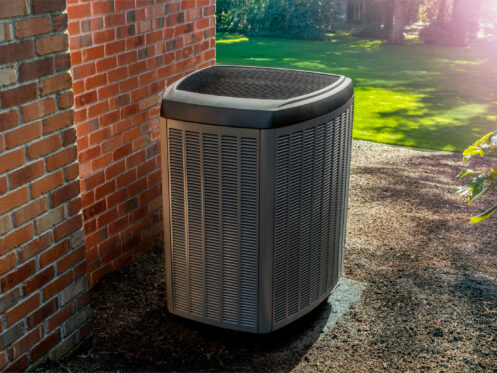
Winters in Mokena, IL can take their toll on even well-maintained heat pumps. Even if your heat pump still seems to be running okay after a hard winter, it could be working less efficiently than it was at the start of the season. Recognizing the signs of this loss of efficiency can ensure you get it serviced promptly. Regular professional maintenance is necessary for keeping your heat pump in good condition. Keep in mind that if you have an older heat pump, it may have struggled in sub-freezing temperatures. Newer, high-efficiency heat pumps should perform well even in temperatures below zero.
High Heating Bills
If your heating bills have substantially increased throughout the winter, this could point to growing inefficiency. Your heat pump may be working harder to maintain the same indoor temperatures that it did earlier in the season. Of course, colder temperatures leading to higher usage could be one explanation. It’s also possible there are other possibilities. For example, you may have some roof damage or deterioration that began over the winter that you haven’t noticed, and it’s allowing heat to escape. However, a heat pump that is losing efficiency is a very likely culprit if your heating bills are skyrocketing.
Uneven Temperatures
Inefficient operation doesn’t always mean the same indoor temperatures with higher bills. In fact, rather than the shock of a high heating bill, your inefficiency alert might arrive in the form of cold rooms or areas of your house. There could be several different explanations for this, including a dirty air filter or problems with the defrost cycle. If your system is ducted, the ductwork might have a leak. If you hit a particularly cold spell at the end of the winter and your old heating pump is not keeping up, it might be just beyond its capacity, as mentioned above. Replacing it with a newer model will solve this.
Rapid Cycling
This behavior has various names, including short cycling and frequent cycling. They all refer to your system turning on and off after just a few minutes, failing to complete a full cycle. It may be noisier than usual, and your home might not heat up to your thermostat setting. Note that this is not the same as a defrost cycle, which is a cycle your heat pump runs to keep ice from building up on your outdoor coil when it’s very cold outside. Defrost cycles occur at regular intervals, and if they briefly blow out cool air, they return to blowing warm air soon after. In contrast, rapid cycling is random, frequent and persistent.
Ice Buildup
The failure of that defrost cycle will also lead to inefficient operation. You might not notice that your defrost cycle isn’t running correctly but simply that your house is not as warm as it was last week or last month. The telltale sign of a defrost cycle issue is ice buildup on your outside unit. Some frost buildup on the outdoor unit is normal, but ice that doesn’t melt will make your heat pump struggle to operate efficiently. If it’s especially cold, there may be a temporary ice buildup, but it should not be there after a few hours.
Unusual Sounds or Smells
Although newer heat pumps are known for their quiet operation, it’s normal for all types of HVAC units to make a little noise. What you need to pay attention to is anything that’s out of the ordinary. Components that are loose or wearing out might rattle, screech, bang or make other noises during operation. A sweet or chemical smell may point to a refrigerant leak. Musty smells can mean mold growing in the coils. All of these are problems that might appear at the end of a long winter and that will reduce your heat pump’s efficiency. Gas or burning smells should be treated as emergencies.
If you notice that your heat pump is operating inefficiently, you need a professional to get to the root of the problem. It may simply require maintenance, which will also ensure that your heat pump is ready for the summer. However, it might also need a repair, or it could be time for a replacement. We have more than 25 years of experience, and you can count on us to maintain, repair or replace your heat pump as needed. Contact Allegiance Heating & Cooling today to schedule heat pump service.
End Of Article