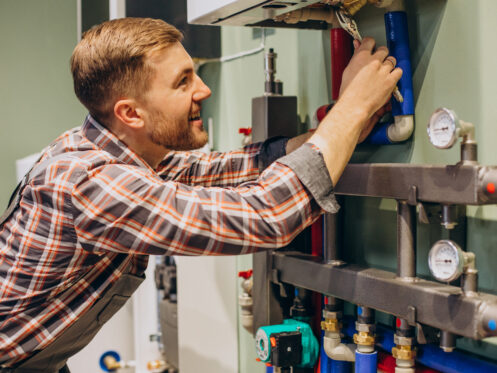
What Are the Most Common Furnace Problems and Warning Signs?
Common furnace repairs address clogged filters, blocked vents, dirty flame sensors, drainage problems, burner buildup, thermostat issues, and minor leaks. These problems may cause inconsistent heating, unusual operation, or unnecessary system strain. Homeowners should request professional furnace repair when problems continue after basic filter and thermostat checks.
What Are the Most Common Furnace Repairs?
Furnaces contain several components that must work together to produce and distribute heat. When airflow, ignition, drainage, or temperature controls stop functioning correctly, the furnace may struggle to maintain comfortable indoor conditions.
Some of the most common furnace repairs involve:
-
Clogged or improperly installed filters: A heavily restricted filter can reduce airflow through the system. A technician may replace the filter, inspect the filter compartment, and determine whether restricted airflow has affected other components.
-
Blocked supply or return vents: Obstructed vents can interfere with air circulation and create uneven temperatures. The ductwork, registers, and return-air pathways may need to be inspected for restrictions.
-
Dirty flame sensors: A contaminated flame sensor may prevent the furnace from confirming that the burner has ignited safely. This can cause short operating cycles or repeated shutdowns.
-
Drainage problems: High-efficiency furnaces create condensation that must drain correctly. Blocked tubing, clogged traps, or malfunctioning condensate components can interrupt operation.
-
Burner buildup: Dirt and residue on the burners can interfere with proper ignition and combustion. Professional cleaning and inspection may be necessary.
-
Thermostat issues: Incorrect settings, damaged wiring, poor placement, or a malfunctioning thermostat can prevent the furnace from responding properly.
-
Minor air, water, or fuel-related leaks: The appropriate repair depends on where the leak originates. Suspected fuel or combustion-related problems require immediate professional attention.
Although these repairs are common, similar symptoms can have different causes. A complete inspection is often necessary to identify the actual fault.
What Warning Signs Indicate That a Furnace Needs Repair?
Changes in comfort or furnace operation can provide early warning that something is wrong. A single unusual event may not always indicate a serious failure, but recurring symptoms deserve attention.
Common furnace warning signs include:
-
Rooms that remain colder than the thermostat setting
-
Weak airflow from supply vents
-
Uneven temperatures throughout the property
-
A furnace that starts and stops frequently
-
Delayed ignition or repeated attempts to start
-
Unusual rattling, banging, squealing, or humming sounds
-
Water collecting near the furnace
-
Unexpected or unfamiliar odors
-
A thermostat that does not appear to control the system correctly
-
A furnace that shuts down before reaching the selected temperature
Homeowners in Mokena, Illinois can first confirm that the thermostat is set to heat and that the filter is clean, correctly sized, and properly installed. Supply and return vents should also remain open and unobstructed. If the problem continues after these basic checks, professional furnace repair is the appropriate next step.
A persistent burning smell, suspected gas odor, visible smoke, or a carbon monoxide alarm should not be treated as a routine performance problem. Leave the affected area when appropriate and contact the relevant emergency service or qualified professional.
How Can Furnace Problems Affect the Entire HVAC System?
A furnace problem can influence more than heating performance because the furnace, blower, ductwork, thermostat, and indoor-air components operate as one HVAC system. Restricted airflow is a clear example. When a clogged filter or blocked return prevents sufficient air from moving through the equipment, the blower may work harder while rooms receive less conditioned air.
Thermostat problems can also affect the entire system. If the thermostat reads the indoor temperature incorrectly or communicates inconsistently with the furnace, the equipment may run too long, stop too soon, or fail to start. This can create uncomfortable temperature changes even when the furnace itself is capable of producing heat.
Drainage problems in a high-efficiency furnace may trigger safety controls and stop the heating cycle. Burner buildup or a dirty flame sensor can cause ignition failures and repeated shutdowns. Minor leaks may affect airflow, drainage, or safe operation depending on their source.
In other words, correcting a filter, vent, sensor, burner, drainage, thermostat, or leak-related problem can restore more consistent operation and reduce avoidable strain on connected HVAC components.
Why Is Professional Furnace Diagnosis Important?
Warning signs identify that the system needs attention, but they do not always reveal which component is responsible. For example, short cycling could result from restricted airflow, a thermostat issue, an ignition problem, or a safety control responding to another condition.
A trained HVAC technician can evaluate the complete operating sequence rather than replacing a component based only on one symptom. The inspection may include checking airflow, thermostat communication, ignition, burners, flame sensing, drainage, electrical connections, and safety controls.
Professional diagnosis is particularly important when a furnace repeatedly shuts down, produces unusual odors, leaks, or cannot heat the property consistently. For homeowners in Mokena, Illinois, arranging an inspection when these symptoms persist can help prevent a developing problem from placing additional strain on the broader HVAC system.
FAQ
Can a clogged furnace filter cause heating problems?
Yes. A clogged filter can restrict airflow, weaken heating performance, contribute to uneven temperatures, and make the blower work harder than necessary.
Why does a furnace start and then shut off?
Possible causes include restricted airflow, a dirty flame sensor, thermostat trouble, drainage issues, or another safety-related interruption. A professional diagnosis can identify the specific cause.
Is water near a furnace always a serious problem?
Water may come from a blocked condensate drain or another nearby source. Because moisture can damage components and interrupt operation, the source should be identified promptly.
When should a homeowner call for furnace repair?
Call a qualified HVAC professional when heating problems continue after confirming the thermostat settings, checking the filter, and ensuring that supply and return vents are unobstructed.
What Are the Most Common Furnace Problems and Warning Signs?
Common furnace repairs address clogged filters, blocked vents, dirty flame sensors, drainage problems, burner buildup, thermostat issues, and minor leaks. Correcting these problems can restore safer, more consistent operation and reduce unnecessary strain. Homeowners in Mokena should arrange professional furnace repair when heating problems continue after basic filter and thermostat checks.
Conclusion
The most common furnace repairs involve filters, vents, flame sensors, condensate drainage, burners, thermostats, and minor leaks. Addressing these conditions can improve heating consistency, support safer operation, and reduce unnecessary strain across the HVAC system.
If your furnace continues to cycle, heat unevenly, leak, or operate unusually after basic checks, contact Allegiance Heating & Cooling to arrange professional furnace repair in Mokena. A thorough inspection can identify the source of the problem and determine the appropriate repair.